How Ceramic Coatings Stop Water Spots on Car Paint from Etching Your Clear Coat
Water spots on car paint start as harmless rings after rain, sprinklers, or a wash. Once the water evaporates, it leaves minerals that slowly bake into your clear coat. Left alone, those rings can etch permanent marks that no ordinary wash removes.
Many drivers only notice the damage when sunlight hits the hood just right. At that point, the spots often need professional paint correction before they disappear completely. Luckily, a ceramic coating can stop that process before real damage sets in.
Its slick, hydrophobic surface makes water bead and roll off before it dries. Any minerals that remain sit on the coating instead of your actual paint. They wash away easily, and the coating also shields your finish from bug acids.
What Causes Water Spots to Form
Tap water, rain, and sprinkler spray all carry dissolved minerals like calcium and magnesium. When water dries on paint, the liquid evaporates but the minerals stay behind. The result is a chalky ring that outlines exactly where each droplet sat.
Hard water leaves the heaviest deposits, which makes lawn sprinklers a common culprit. Acid rain and industrial fallout add pollutants that make spots even more aggressive.
Heat speeds up the process during the long, hot afternoons of an Omaha summer. A dark vehicle parked in the sun can reach surface temperatures far above the air outside. Water dries in seconds on that hot panel and concentrates minerals into rings.
A wash in direct sunlight creates the same problem if you cannot dry fast enough. Even a quick drive through a puddle can leave spots along your lower doors. Spots form on every vehicle, so the real question is how much damage follows.
How Water Spots Etch Your Clear Coat
Water spots fall into three stages, and each one grows harder to remove. Fresh mineral deposits sit on the surface and wipe away with a gentle wash. Left longer, those minerals bond to the paint and resist normal soap and water.
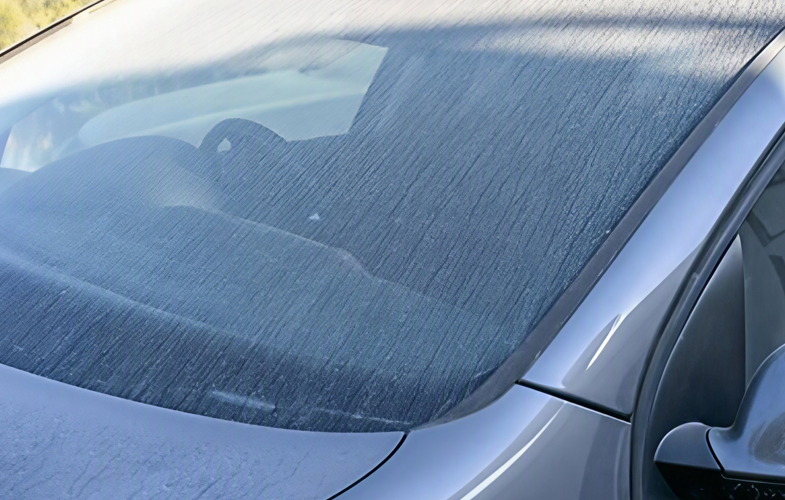
The final stage, etching, happens when minerals and heat eat into the clear coat. Etched spots look like tiny craters or rings sunk just below the surface. No wash, spray, or quick detailer can lift damage that sits inside the paint.
Removal at that point requires paint correction that shaves away part of your clear coat. Severe etching may not polish out completely without risking the paint layer underneath. Each correction also leaves less clear coat to protect your vehicle going forward.
Prevention matters far more than repair when it comes to this mineral damage. A protective barrier keeps minerals from ever touching the clear coat at all.
How Ceramic Coatings Block Mineral Damage
A ceramic coating cures into a hard, slick layer that bonds to your clear coat. Its hydrophobic surface makes water bead tightly and roll off instead of sitting flat. Less standing water means fewer droplets left behind to dry into mineral rings.
Any spots that form sit on top of the coating rather than your paint. The coating takes the chemical exposure while your clear coat stays untouched underneath. Surface deposits also release far more easily during your very next routine wash.
Ceramic also resists heat better than bare paint, so sun-baked spots cause less harm. Its dense structure slows down the chemical reaction that leads to deep etching.
No coating makes paint completely spot-proof, especially when you deal with very hard water. However, it buys you time and turns a repair job into a simple wipe. Such a buffer often separates a quick, easy rinse from a costly correction.
How Ceramic Coating Protects Against Bug Guts
Bug guts pose a threat similar to water spots, but they work even faster. Insect remains contain acidic proteins and enzymes that attack paint as they dry. On a hot summer day, splattered bugs can etch clear coat within days.
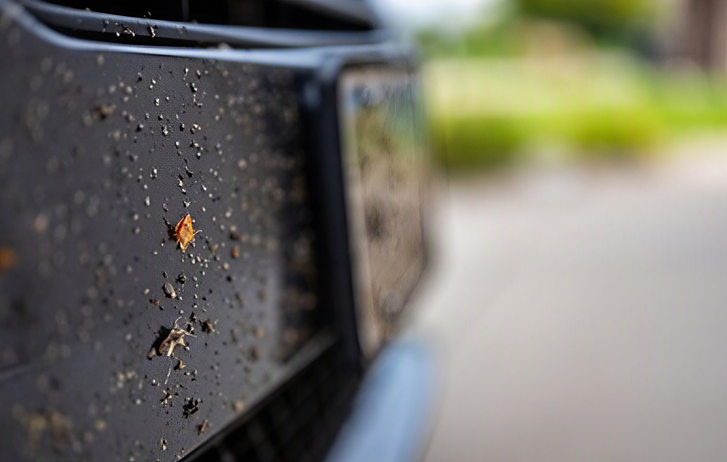
Highway drives around Omaha leave the front bumper, hood, and mirrors covered quickly. Drives near rivers and fields at dusk can coat your front end in one outing.
A ceramic coating creates a slick barrier between those acids and your clear coat. Bug residue sits on the coating instead of soaking into the paint below.
Removal becomes much easier, too, because insects struggle to bond to the slick surface. A soak with bug remover or soapy water loosens them within a few minutes.
You skip heavy scrubbing, which means fewer chances to scratch the paint as you clean. Most importantly, the coating prevents staining and permanent clear coat damage from bug acids.
Simple Habits That Keep Water Spots Away
A coating does the heavy lifting, but a few smart habits boost its performance. Each step takes only minutes and helps your vehicle stay spot-free between washes. Build these routines into your regular care schedule for the best long-term results:
Dry promptly: Use a plush microfiber towel after every wash.
Wash in the shade: Cool panels give you time to dry before spots form.
Watch the sprinklers: Park away from sprinklers that spray hard water.
Remove bugs quickly: Clean insect splatter within a day or two.
Use a topper: A ceramic-safe spray sealant refreshes the surface.
A foam cannon pre-soak also helps lift minerals before you touch the paint. Avoid harsh acidic cleaners unless a professional recommends them for stubborn mineral buildup. Your installer can suggest coating-safe products that match your vehicle and your routine.
Keep Spots and Stains Off Your Paint
Water spots on car paint never have to become permanent etching or costly correction. A ceramic coating keeps minerals and bug acids away from your clear coat. Cleanup turns into a quick rinse instead of a stressful, time-consuming weekend project.
Autographix applies professional ceramic coatings with full prep for drivers throughout the Omaha area. Our team will walk you through coating options that fit your vehicle and lifestyle. Reach out to us today to book your coating and say goodbye to water spots.