The Ultimate Guide to Paint Correction Before Applying Protective Films
Paint correction removes swirls, haze, and light scratches before protective film touches your vehicle. Film and coatings lock in whatever sits beneath them, including every existing flaw. Consequently, a careful correction step gives your protection a flawless surface to preserve.
Many drivers assume new or lightly used paint needs no prep before film. In reality, dealership washes and transport often leave fine marks on fresh factory paint. The right prep decides whether your new protection preserves perfection or preserves flaws.
A proper correction step fixes that problem well before your installation day arrives. Careful polishing removes swirls and gives the protection a clean surface for bonding. The result is deeper gloss, stronger adhesion, and a finish worth preserving for years.
Why Film Locks in Every Flaw Underneath
Protective film and ceramic coatings are clear, so they magnify whatever sits beneath them. Swirl marks, haze, and fine scratches stay visible under the new layer for good. Once the film goes on, those defects stay sealed in place until removal.
Think of it like framing a photo behind glass that already has fingerprints. The glass protects the photo, but the smudges remain part of the picture. Your paint works the same way under a clear urethane or ceramic layer.
A corrected surface also helps film adhesion and gives coatings a clean bond. Contaminants and oxidation can weaken that bond and shorten the life of your protection. Proper prep helps your investment perform for as long as the manufacturer intends.
Without correction, you pay for premium protection that only preserves a flawed finish. Most experienced installers treat it as a critical step rather than an optional upgrade.
Common Paint Defects That Correction Removes
Paint defects come from everyday driving, washing, and weather rather than one big event. Most build up slowly, so owners rarely notice them until direct sun hits. A trained eye under bright inspection lights usually spots several of these common issues:
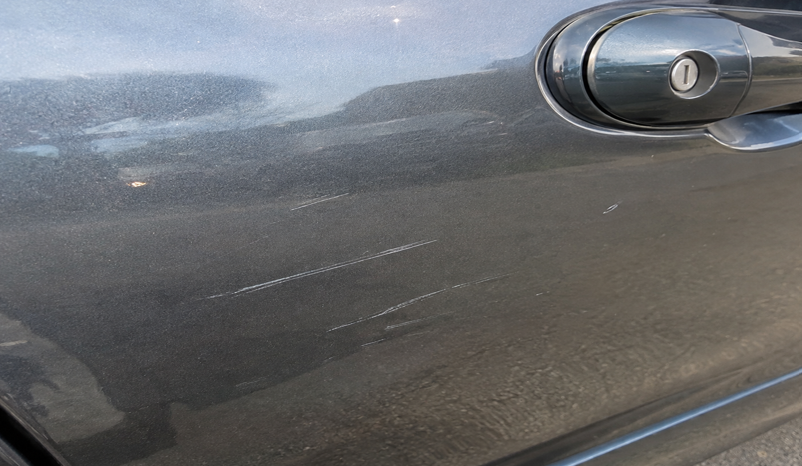
Swirl marks: Circular scratches from automatic washes and dirty towels.
Holograms and buffer trails: Hazy patterns from rushed machine polishing.
Light scratches: Fine lines from fingernails, keys, and branches.
Water spot etching: Mineral rings that bake in after water dries.
Oxidation: A dull, chalky look from years of sun.
Each of these defects sits within the clear coat, which makes correction possible. Deeper damage that reaches the color layer or metal needs a different solution entirely. Your installer will explain which flaws correction can remove before any work begins.
One-Step vs. Two-Step Paint Correction
Paint correction comes in different levels based on how much damage your finish shows. A one-step correction uses a single polish to remove light swirls and boost gloss. It suits newer vehicles with only minor marks from washing or dealership prep.
A two-step correction starts with a cutting compound that levels deeper swirls and scratches. Next, a finishing polish refines the surface and restores a crisp, mirror-like clarity.
Most vehicles headed for film or a coating benefit from the two-step approach. The extra stage removes more defects while respecting the limited clear coat thickness. Technicians measure paint depth beforehand so they never remove more material than necessary.
Heavily oxidized or neglected paint may need extra attention on specific problem panels. However, your installer will match the correction level to your paint and your goals. Ask for a walkthrough under lights so you know exactly what improvements to expect.
What Happens During the Correction Process
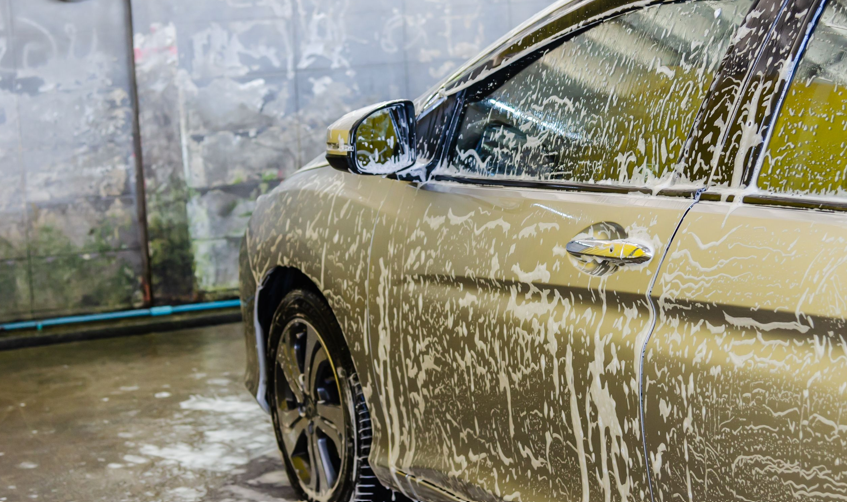
Correction begins with a thorough wash that strips dirt, grime, and loose debris. Technicians then use a clay bar to pull embedded contaminants from the clear coat. Iron removers also dissolve tiny metal particles that washing alone always leaves behind.
Next, the team inspects every panel under bright lights to map the defects. A paint depth gauge shows how much clear coat each panel has to work with. Painter’s tape protects trim, emblems, and sharp edges from the polisher during the process.
Machine polishing then works panel by panel, with careful checks after every single pass. The process takes time, often a full day or more for a complete vehicle.
Finally, an alcohol panel wipe removes polishing oils so film and coatings can bond. The surface ends up bare, clean, and ready for protection the same day. Any long delay invites new contamination, so installation usually follows correction right away.
What Paint Correction Cannot Fix
Paint correction works only within the clear coat, so it has some natural limits. Scratches deep enough to catch a fingernail often reach past the clear layer. Correction can soften how they look, but it usually cannot erase them completely.
Rock chips that expose primer or bare metal also fall outside what polishing fixes. Affected spots may need touch-up paint before film goes on to seal them in.
Thin or previously repainted panels limit how aggressive a correction can safely become. Technicians always leave enough clear coat to protect the paint for years ahead.
Severe clear coat failure, with peeling or flaking, cannot hold film or coatings at all. Such panels need a full refinish before any protection product makes practical sense.
An honest inspection sets clear expectations before you commit to the full process. You will know exactly which flaws disappear and which ones may still remain.
Start Your Protection With a Flawless Surface
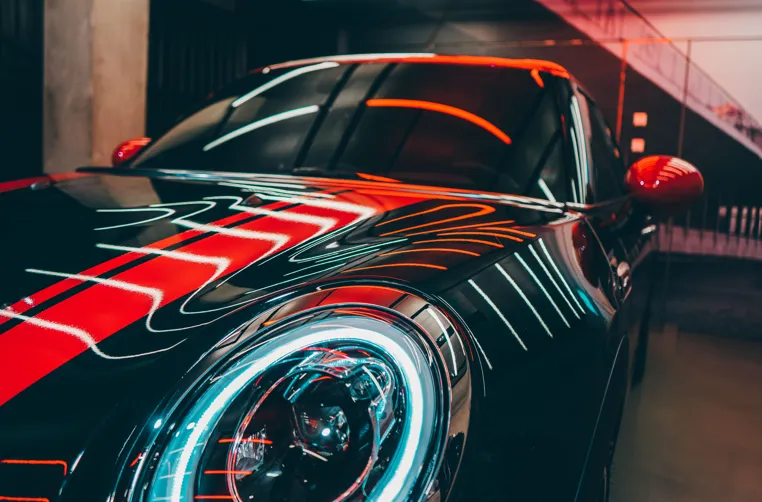
Protective film and ceramic coatings always deliver their best results on flawless paint. Correction clears away swirls and haze, so your protection preserves a finish worth keeping. The result is deep gloss that lasts as long as the film itself.
Autographix pairs careful paint correction with expert film and coating installation for Omaha drivers. We inspect every vehicle first and recommend only the correction your paint needs. Get in touch with our team to book an inspection and start with flawless paint.